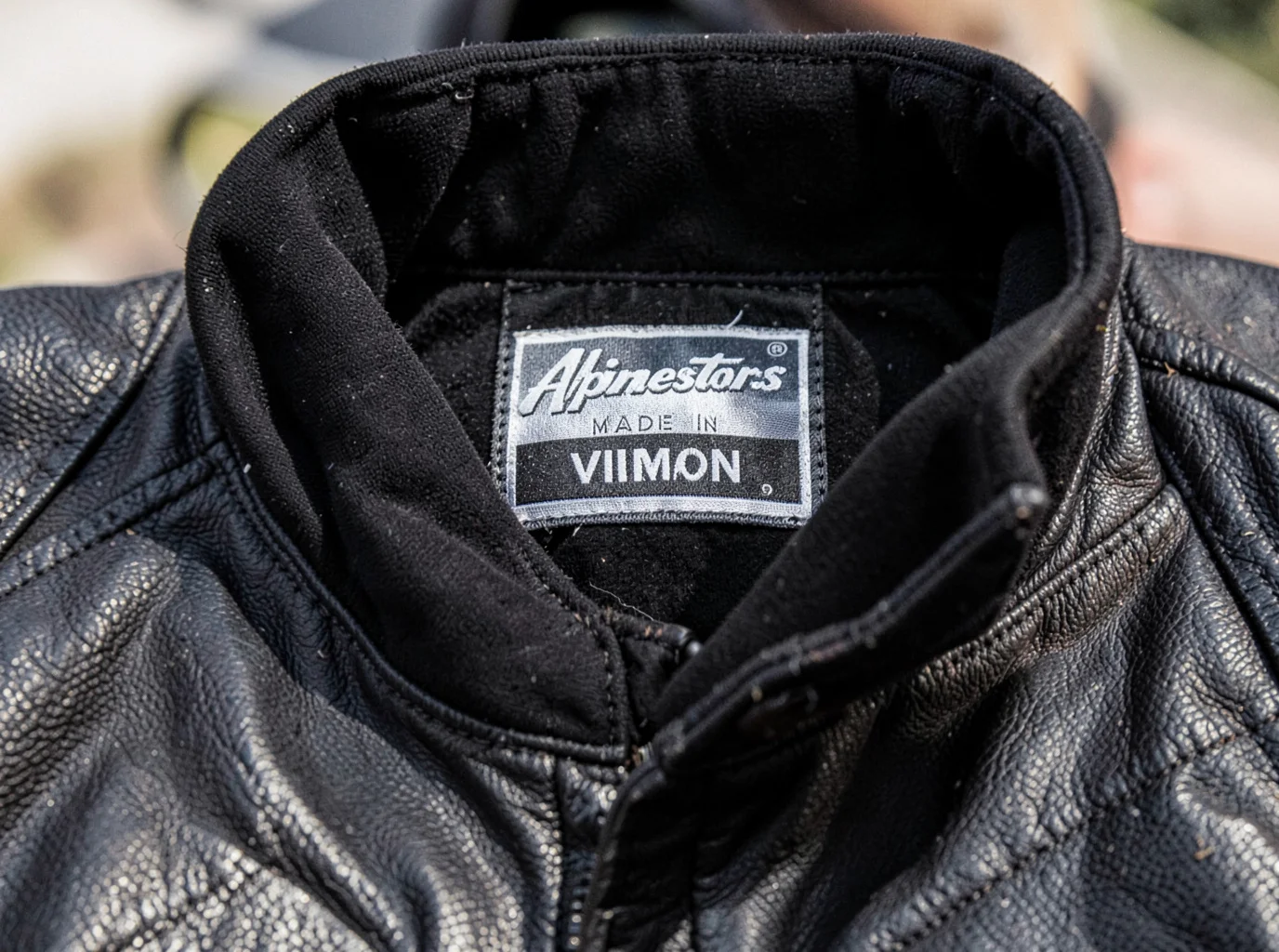
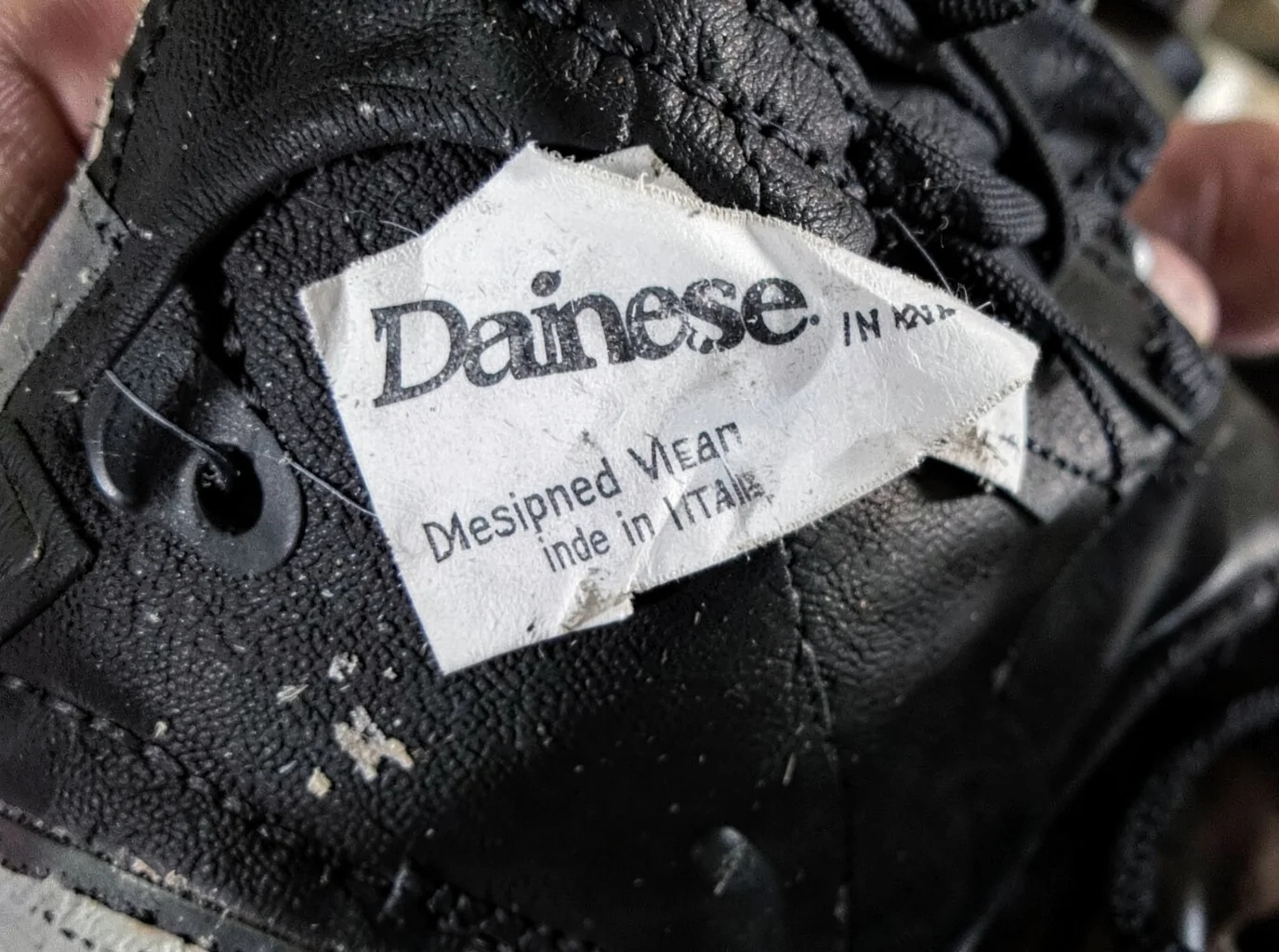
You just dropped $400 on a pair of Dainese racing boots. Flip them over expecting "Made in Italy" stamped on the sole and find a tag that says Vietnam. Panic sets in. Did you get scammed? Is this a knockoff? Or is Dainese quietly outsourcing its "Italian craftsmanship" while charging Italian prices?
Dainese manufacturing spans at least three countries, and the label on your boot depends on which model you bought. We spent weeks digging through EU "Made in Italy" certification law, Dainese's own supply chain statements, and boot-by-boot serial number data to answer a question the motorcycle gear industry would rather dodge. The breakdown below covers where your boots come from, why that's perfectly legal, and a five-minute checklist to verify your own pair's true origin.
Dainese Motorcycle Boots Are Made in Italy, Vietnam, and Tunisia—Depending on the Model
Dainese doesn't have a single manufacturing country. There are at least four.
We pulled actual product listings and Motorcycle Boots manufacturer data, boot by boot, and the results tell a story the marketing copy skips over entirely.
The Herian D-WP, a popular touring/adventure boot, lists Vietnam as its country of manufacture. Vietnam is where the boot gets made.
The Nexus 3, one of Dainese's mid-range street boots, shows Tunisia as its country of origin.
The Torque 3 Out Boots, a serious performance boot built for track use, also traces back to Tunisia for manufacturing, even though Dainese's design work happened in Italy.
The Seeker GTX, an adventure-touring boot, is made in Romania. That's four countries now.
So the pattern is clear. Dainese runs production facilities across Italy, Tunisia, Romania, and Vietnam. There is no single flagship Italian Motorcycle gear factory churning out every SKU.
Your boots' actual origin depends entirely on the specific model number.
Dainese's own positioning leans hard on "Designed in Italy," and that's technically accurate. R&D, pattern development, and brand DNA stay rooted in Vicenza. But "designed in Italy" and "made in Italy" are legally and physically different claims. One describes where the idea originated. The other describes where the leather got cut, stitched, and molded.
Confusing the two isn't dishonest, exactly. But it's exactly the kind of ambiguity that lets a $400 price tag survive a Vietnam-stamped tag underneath.
Which Dainese Boot Models Have Publicly Identified Manufacturing Countries
Romania shows up more than any other country on Dainese's product pages. It's not close.
We cross-checked retail listings and Motorcycle Boots supplier specs across Dainese's boot catalog, and Romania dominates the performance and touring lineup. The Torque 3 Out Air Boots, Axial Gore-Tex Air Boots, Torque 4 Air, and Torque 4 Lady all list Romania as country of manufacture. So does the Seeker GTX. That's five models tied to a single Eastern European facility, none of them budget boots.
Vietnam tells a different story. It's tied to Dainese's more casual, urban-focused line—the Suburb D-WP Women's Boots joins the Herian D-WP already mentioned, both stamped Vietnam on the tag.
Tunisia sits in its own category, linked to the Nexus 3 in publicly available product data.
What This Pattern Reveals
Dainese, headquartered in Colceresa, Italy, operates in four production regions: Italy, Tunisia, Romania, and Vietnam. Romania handles higher-spec performance gear. Vietnam leans toward everyday street boots. That split is supply chain strategy, visible on product tags all along.
What Dainese's Vicenza Headquarters Does in the Supply Chain
Vicenza never touched your boot's leather, but it decided everything about how that boot got made.
Dainese's headquarters at Via dell'Economia 91 functions as the supply chain's command center. A former COO's job title alone tells the story: he oversaw Design, four separate R&D departments, Sourcing, Quality, Supply Chain, Manufacturing, and OEM Sales, all reporting straight to the CEO. That's mission control.
Procurement is centralized in Vicenza. A sourcing manager there handles raw materials, accessories, and semi-finished goods for every industrialized product line, whether it's stitched in Romania or molded in Vietnam. Logistics runs through Vicenza too. The team coordinates a third-party logistics partner, manages warehouse activity, syncs delivery plans with procurement, and talks directly with Quality about QC flags before shipments move.
With over 1,400 employees and operations spanning 96 countries, the HQ team tracks KPIs, controls costs, and enforces service standards across outsourced facilities.
How Vietnam and Tunisia Fit Into Dainese’s Manufacturing Network
Boots aren't the only story here. Vietnam and Tunisia carry serious weight in Dainese's helmet and airbag production too. The numbers show this isn't some recent cost-cutting scramble — it's a decade-plus strategy.
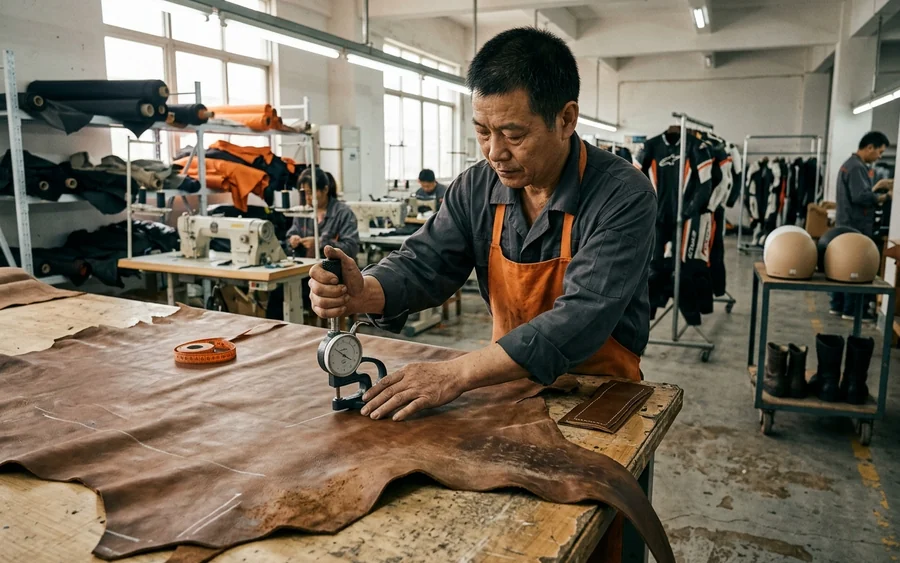
Start with Vietnam. A 2023 Corriere report confirmed Dainese opened a new plant in Hanoi dedicated to helmets. The plant handled both design and manufacturing on-site. A separate Motorcycle Powersports News interview described Dainese's own AGV helmet factory in Vietnam, complete with in-house quality control and an R&D lab in the facility for testing new materials. That's a company-owned operation running real product development, not a contract Motorcycle Boots manufacturer stamping out cheap shells.
Tunisia handles airbag systems and other protective gear. Dainese has run production there since at least 2010, when reports noted the company already operated two plants in the country. By 2023, Corriere reported that Tunisian facility for airbag systems had tripled in size.
Leadership data adds context. One LinkedIn profile describes a former COO establishing four new production plants — two in Tunisia, one in Romania, one in Vietnam — shifting EU production from external Motorcycle Boots suppliers into internal, company-owned facilities. Another leadership snippet puts Dainese's total manufacturing footprint at five sites: two in Italy, one each in Romania, Tunisia, and Vietnam.
The pattern holds: Vietnam scales helmets, Tunisia scales airbags, Italy keeps R&D and premium leather work close to home.
Why an Italian Dainese Brand Can Legally Sell Boots Made Overseas
EU footwear labeling law never required "Made in Italy" in the first place. Dainese sells products through DAINESE S.p.A., an Italian company that holds the exclusive license over Dainese, AGV, and TCX branding. That corporate registration in Italy is enough to make the sale lawful, regardless of where the boot itself came together.
The actual label requirement focuses on material composition. The label must identify whatever material makes up at least 80% of the upper, lining, and outer sole. If nothing hits 80%, two main materials get listed instead. The EU Court has explicitly ruled that leather's country of origin doesn't even need disclosure. Material transparency and manufacturing transparency are two separate legal questions.
Origin claims work differently. A product legally "originates" wherever it underwent its last substantial, economically justified processing—the step that created a meaningfully new product. Italian law does draw a hard line against false origin claims. An Italian company name alone can mislead if it implies Italian manufacture without clarification. That's why Dainese's compliant setup pairs an Italian brand owner with overseas contract manufacturing, proper composition labels, and no unqualified "Made in Italy" claim unless that legal test is actually met.
How to Verify the Country of Origin on a Dainese Boot in Five Minutes
Grab your boots. This takes less time than reading the rest of this article.
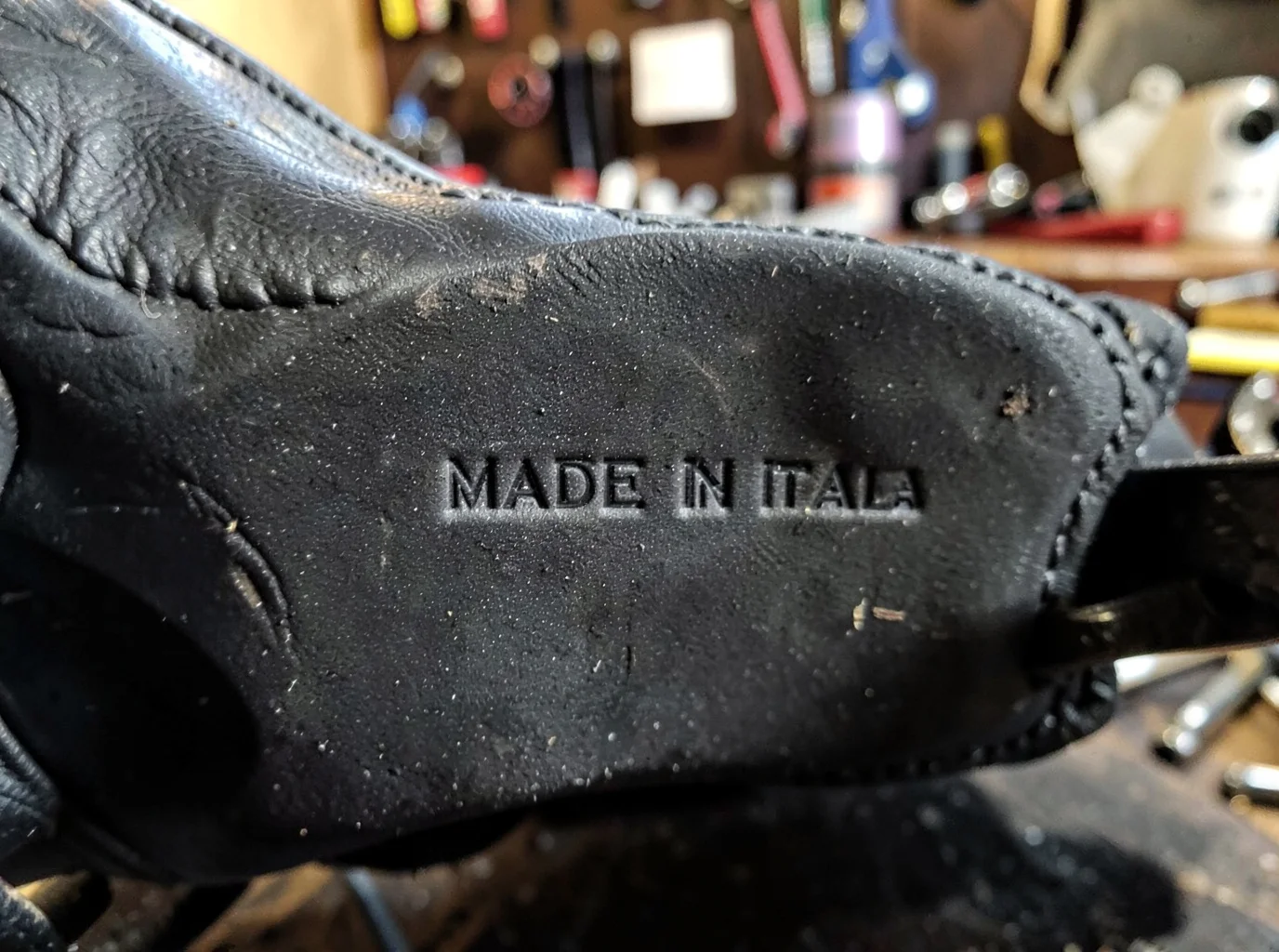
Step one: Check the inner tongue, shaft, or side seam for a "Country of manufacture" line. Retailer listings show this exact field, so "Vietnam" appears on the Herian D-WP and "Romania" or "Tunisia" on other models.
Step two: Photograph the SKU or model code on the box, hangtag, or inside label.
Step three: Match that code against the retailer's product page or your invoice. The origin field should match your physical tag.
Step four: If the label's missing, blurry, or contradicts the listing, contact Dainese Consumer Care directly at [email protected] or +1 551 3070012 (US), and attach the model code and photos. They'll confirm production origin on the spot.
What Dainese's Multi-Country Production Means for Price and Quality
Dainese's prices show where the priorities sit. A Pista GP RR helmet runs $1,729 on Dainese's U.S. site. A Super Speed 5 leather jacket costs $949. An Avro 6 jacket lists at $749. Jackets across the lineup land between $400 and $1,200, and market analysts estimate Dainese prices run 15–30% higher than comparable competitors. That premium comes from a manufacturing split that separates flagship craftsmanship from volume production.
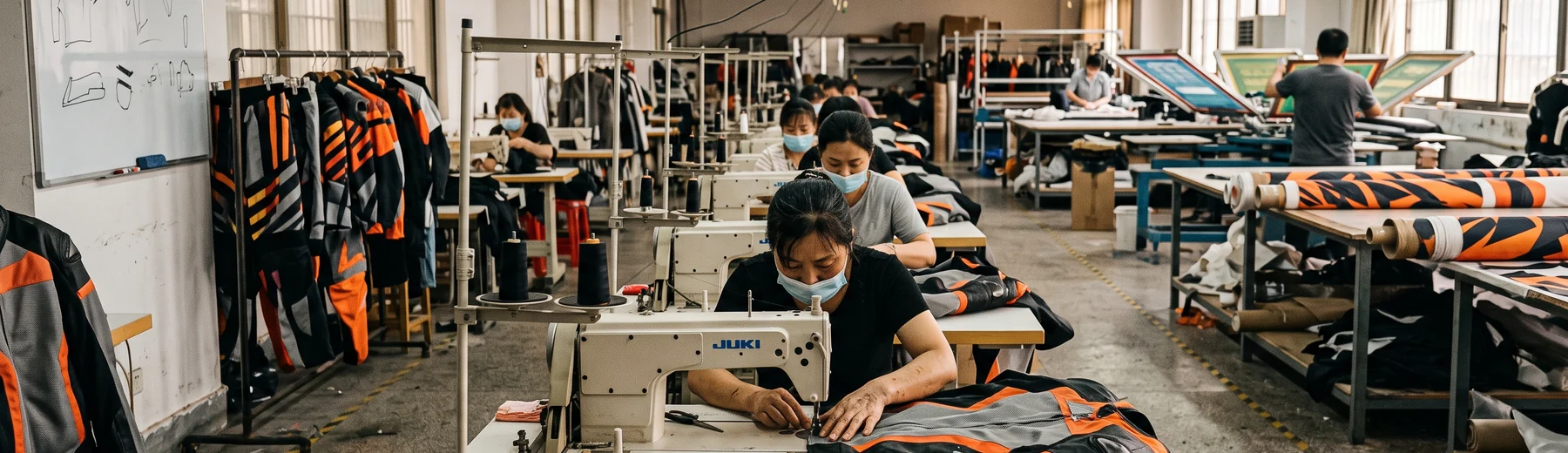
Italy handles the highest-stakes work. High-end custom leather suits and specialized racing equipment get built domestically, close to the design team, using techniques that don't scale easily. Romania, Tunisia, and Vietnam handle everything else—footwear, textiles, accessories, and airbag hardware built at volume to keep the brand accessible.
Boots follow the same pattern. Touring boots start around $180, with many models certified to EN 13634 Level 2. The Nexus line sits at $280. The Axial Gore-Tex Air boot, manufactured in Romania, still meets performance standards despite its overseas origin.
Italian-made race and custom gear gets you the flagship performance tier. Romania, Tunisia, and Vietnam production gets you the same brand DNA, same quality controls, at a price that doesn't require a second mortgage.
How Dainese Compares With Alpinestars and TCX on Manufacturing Transparency
TCX beats Dainese and Alpinestars on one thing: it actually tells you where the factories are.
A company press release says TCX runs its headquarters out of Montebelluna, Italy, with production spread across Romania, Cambodia, and Indonesia. A trade article fills in the operational flow: materials get checked in Montebelluna, shipped to Romania for production, then sent back to Italy for final QC. Some models finish in Cambodia and Romania instead. That's a documented supply chain, not a vague policy statement.
Alpinestars sits in the middle. Company profiles confirm Italian design and R&D roots, paired with manufacturing across Croatia, Thailand, Vietnam, and China. One product guide even names names—the flagship Tech 10 boot is made in Italy, while most of the rest of the lineup ships out of Vietnam and China. That's model-specific disclosure, but not a full company-wide map.
Dainese publishes the least. Its quality-policy pages talk about products "designed and manufactured to applicable standards," but that's compliance language, not a factory list. No country-by-country breakdown. No plant ownership disclosure. You get the marketing tier of transparency—everything above, but nothing you can independently verify without digging through product tags yourself.
Conclusion
Dainese motorcycle boots are made in Italy, Vietnam, and Tunisia. That's how modern "Made in Italy" Motorcycle Boots works. The Vicenza headquarters handles the design, engineering, and quality control that define the brand, while production splits across countries based on model and price tier. It's a legal global supply chain most riders never investigate.
Now you don't have to guess. Flip your boots over, check the label, and run the serial number through Dainese's verification portal. You'll know where they came from in under five minutes. Whether that origin matters more than fit, protection, and durability is your call. At least now it's an informed one.