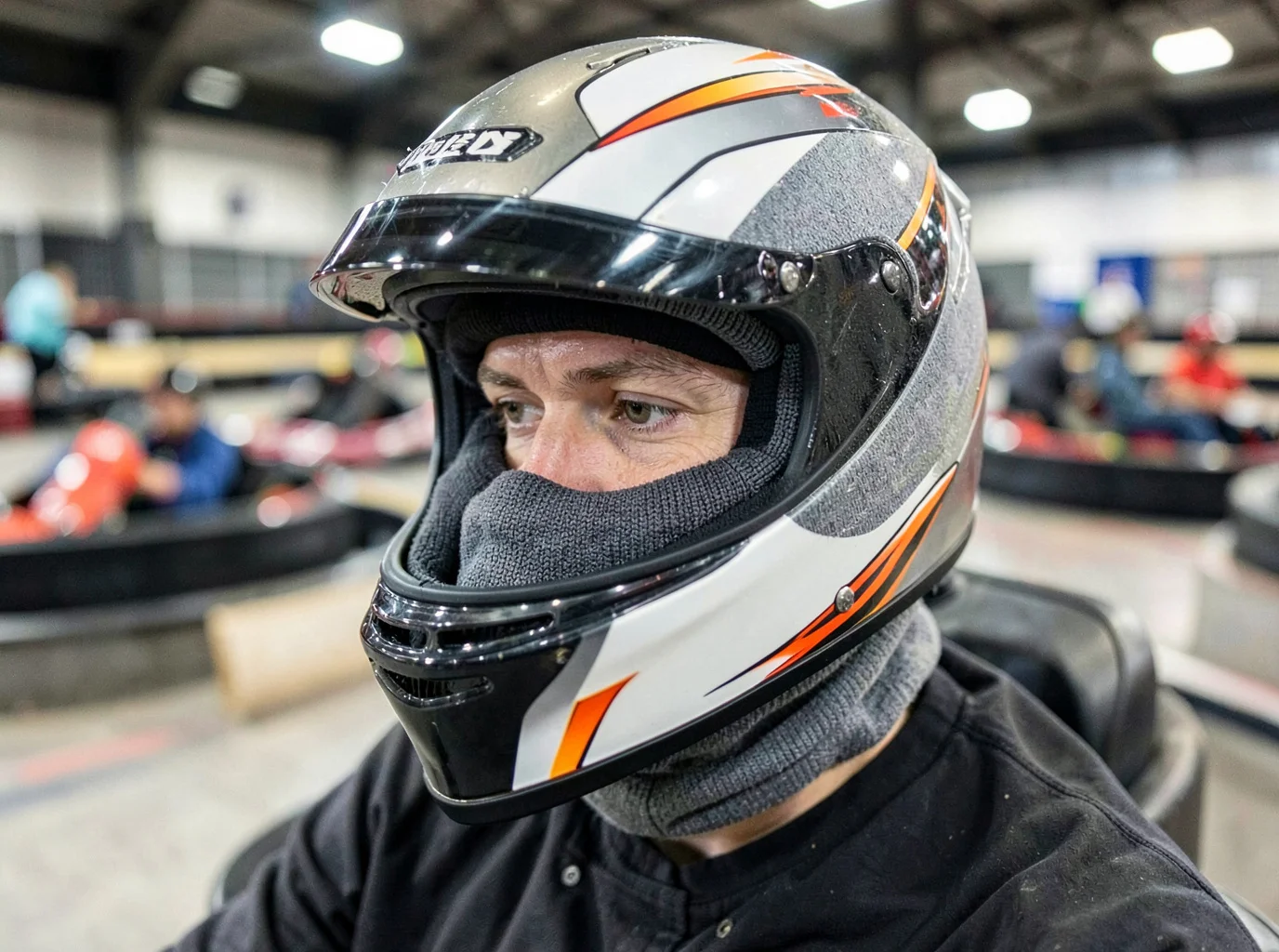
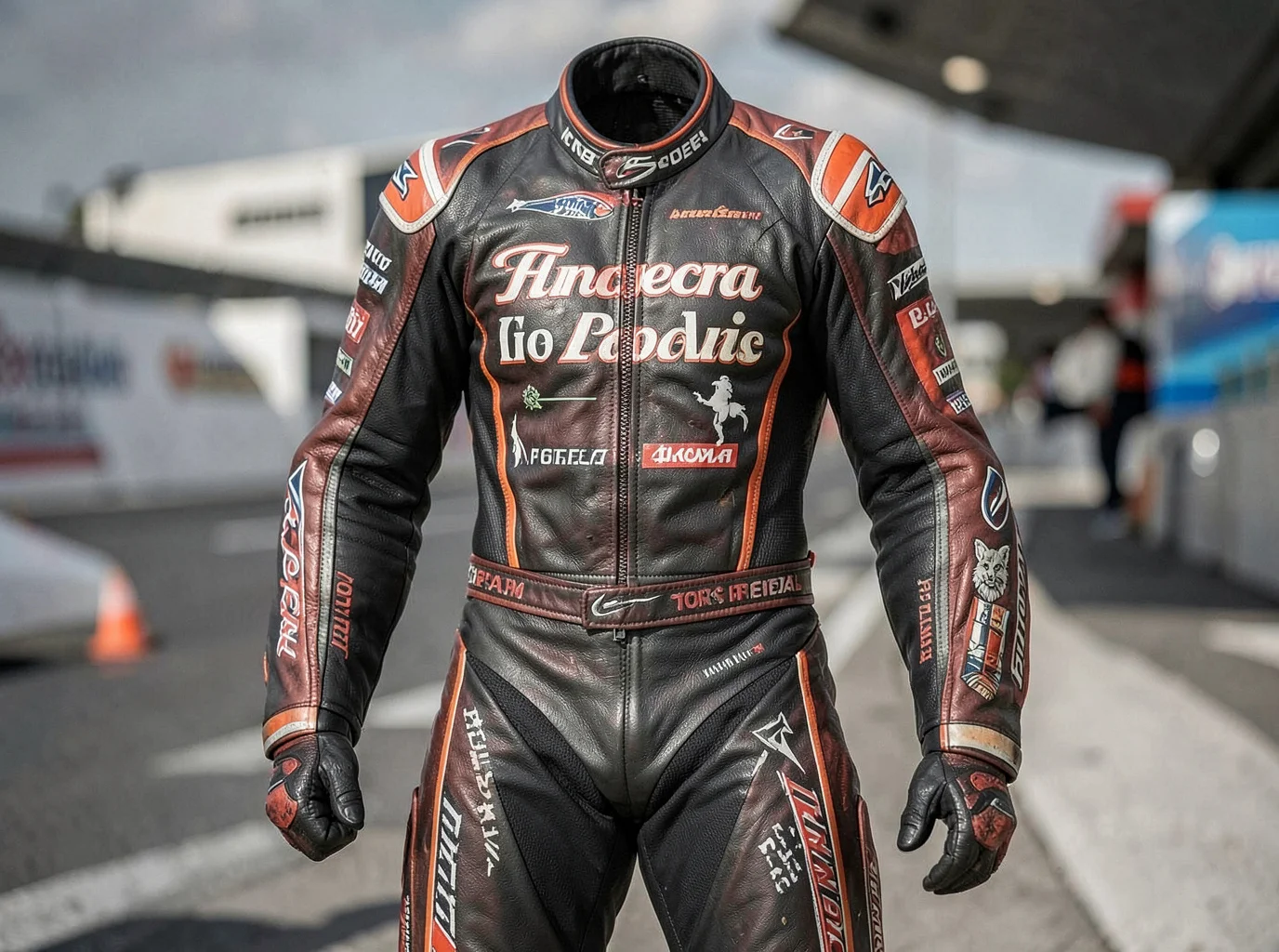
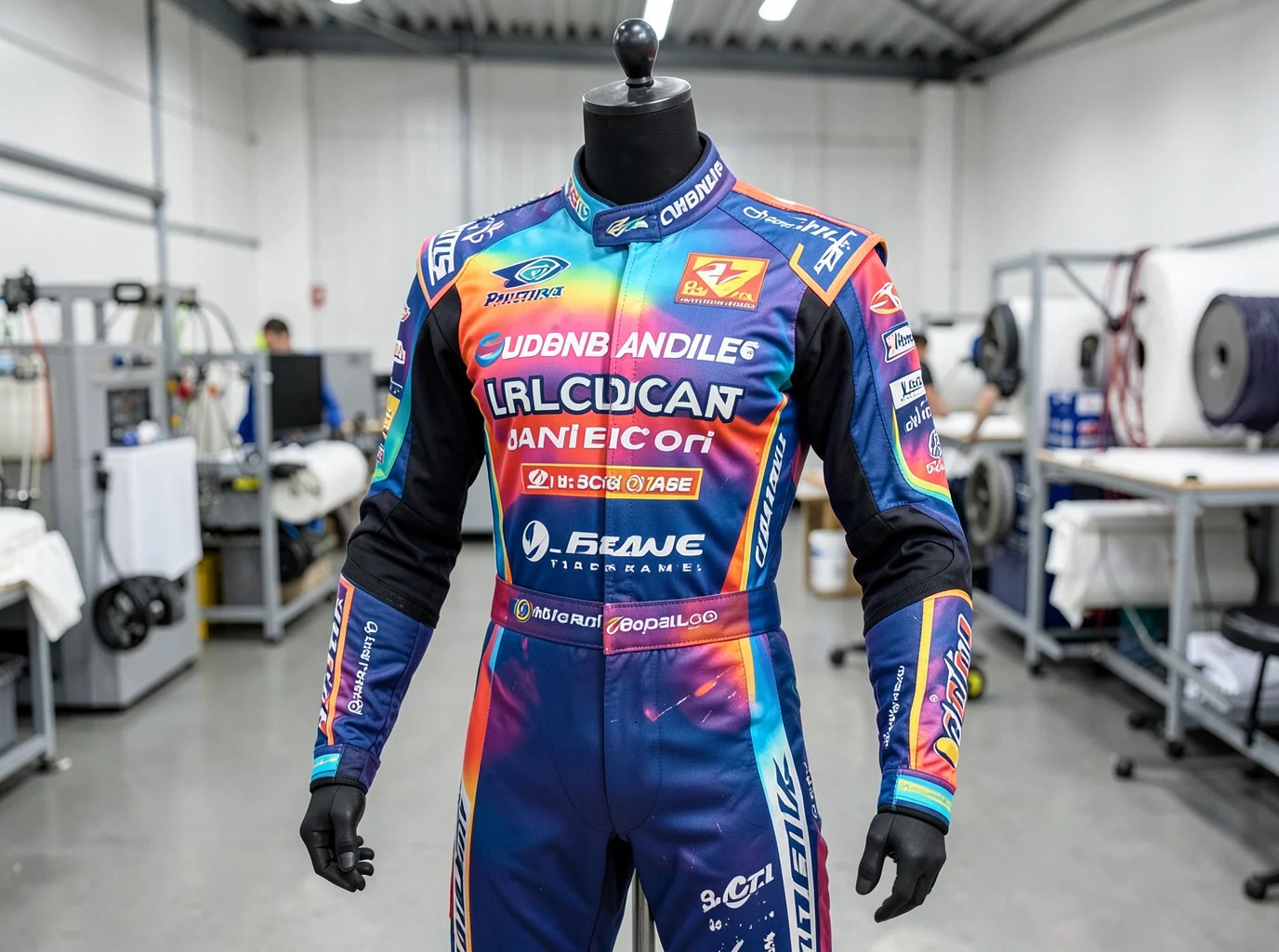
You got the go-karting confirmation email with that line buried at the bottom: closed-toe shoes required. Now you're standing in front of your closet, sorting through sneakers, canvas shoes, and old hiking boots, wondering which pair will get you past the front desk.
Tracks strictly enforce closed-toe footwear rules, though you can wear options other than sneakers. Below, you'll find the footwear that passes inspection versus what gets you turned away, plus what to do if you show up in flip-flops with no backup plan. Brands can develop custom Go-Karting Sneakers for their own footwear lines.We also cover whether indoor and outdoor tracks play by different rules, because they often do.
No—Sneakers Are Not Mandatory, but Closed-Toe Shoes Usually Are
Track rules require a closed-toe, protected foot rather than sneakers specifically, and that distinction matters when you choose what to wear.
These rules exist because pedal boxes get hot, debris flies, and collisions happen at 30+ mph. At almost every facility, safety standards require footwear that creates a solid barrier between your foot and the kart's moving parts.
A compliant shoe needs to meet a few baseline requirements.A reliable Go-Karting Sneakers manufacturer can customize materials and sole designs:
Full toe coverage with no open gaps
A covered upper protecting the sides and heel as well as the front
Solid material without mesh or perforations, which is why breathable knit running shoes often fail inspection
Secure fastening with laces, straps, or velcro so the shoe cannot slip off mid-lap
A slip-resistant sole to maintain grip on slick pedals
None of those requirements mention Nike, Adidas, or athletic styling. The rule simply enforces physical protection over appearance.
Canvas sneakers, work boots, and hiking boots often pass inspection alongside standard running shoes because they cover the foot completely. In contrast, a brand-new $150 pair of ultra-breathable mesh trainers can get flagged, since a sneaker label alone does not make a shoe track-ready.
Track staff treat the shoe rule as a hazard checklist. They look for exposed toes, open heels, or thin materials that fail against a hot pedal or flying gravel. As long as your footwear passes that physical check, you can race whether you are wearing sneakers or boots.
Go-Kart Shoe Rules: Allowed Footwear vs Prohibited Footwear
A 2023 review of 137 UK kart tracks found that 54 publish a formal footwear policy, and all 54 enforce the same rule: flat, closed shoes are required, while sandals are prohibited. That consistency across independent tracks and major chains reflects an established industry standard.
Here is the breakdown side by side, so you can check your closet against it in ten seconds.
Allowed | Prohibited |
|---|---|
Sneakers, trainers, running shoes | Flip-flops, slides, loose slip-ons |
Closed-toe work shoes | Sandals and open-toe shoes |
Low-profile boots (full foot coverage, no pedal interference) | Crocs or similar ventilated clogs |
Canvas shoes with full coverage | High heels, heeled shoes, open-toe heels |
Karting shoes extending to/above the ankle | Bare feet or socks alone |
Shoes with long, loose, untied laces |
Untied or dangling laces appear on the prohibited list because they can catch in rotating kart components near your feet. FIA leisure-karting guidance highlights this risk, so tuck long laces inside your shoes or swap them for shorter pairs before heading to the track.
What "Closed-Toe" Really Means at the Competitive Level
Casual arrive-and-drive sessions only require footwear that meets the baseline rules above, but competitive karting enforces a stricter standard. FIA regulations require a proper sole paired with a full upper that covers the entire foot and extends to or above the ankle.
FIA Standard 8877-2022 governs purpose-built karting shoes, requiring laboratory testing for abrasion resistance, tear resistance, and heat protection. Teams can source wholesale karting gear for coordinated racing kits.
Footwear certified under the related FIA 8856-2018 standard shields feet from second-degree burns for at least 11 seconds, protecting drivers when pedal boxes heat up during extended sessions.
Starting January 1, 2025, every FIA Championship, Cup, Trophy, and sanctioned event on the FIA International Sporting Calendar requires shoes and gloves certified to Standard 8877-2022. Rental kart drivers do not need this equipment, but anyone stepping onto a sanctioned grid must wear it.
Can You Wear Sandals, Flip-Flops, or Heels Go-Karting?
No. If you are debating whether sandals or flip-flops will slide past the check-in desk, save yourself the walk back to the car. Staff will turn you away.
Track operators enforce this rule for basic safety. Sandals and flip-flops balance on your foot instead of securing to it. Hit the brakes hard or take a sharp turn, and a loose shoe can fly off mid-lap, tangling around the pedals. High heels, stilettos, and wedges bring their own hazards. The heel can catch in the pedal assembly, and the narrow base keeps you from controlling brake pressure with any precision. Open-toe heels leave your feet both exposed and unstable.
Crocs trick people because they feel like closed shoes, but most tracks disagree. Even in sport mode with the heel strap down, operators still group Crocs with sandals and ban them at the door.
Track rules across the country back this up. Circuit of The Americas' Speed City requires shoes with a back and bans slippers and heels outright. TeamSport will not let open-toe shoes, sandals, Crocs, heels, or wedges past the desk. Golf N Gator and Nitro City Racing enforce the same standard, requiring completely enclosed footwear.
Stick to flat, closed-toe sneakers with a secure heel that will not slip.Ask your Go-Karting Sneakers supplier about available sizes and safety specifications.
Leave thick platform soles in the car, too. Karting Nation notes that heavy cushioning dulls pedal feel, making it hard to judge how much brake or throttle you are applying.
What Shoes to Wear for Go-Karting If You Do Not Have Sneakers
Your sneakers are at home, but you are already on your way to the track. Track staff do not care about shoe brands, as long as your footwear stays secure and controls the pedals safely.
Your best substitutes, ranked by how well they'll perform:
Canvas shoes: Styles like Vans or Converse offer full coverage, flat soles, and enough flex to feel the pedals.
Flat casual shoes: Any closed-toe slip-on or lace-up with a non-slip bottom works fine.
Work shoes with a low, flat sole: Choose flatter profiles over thick treads that numb pedal feel.
Low-profile hiking shoes: Stick to low-cut trail shoes that sit below the ankle rather than boots.
Lightweight boots: Call ahead to confirm the track permits them before heading out.
What disqualifies a shoe, no matter how "closed" it looks:
Crocs, slides, or anything with a loose heel strap
High heels, wedges, or platforms that shift your foot position
Dress shoes with smooth, polished leather soles that slip on metal pedals
Oversized or steel-toe boots that restrict ankle movement
Bare feet or socks alone
If Boots Are Your Only Option
Pick the lightest, lowest-cut boots you own. A flat rubber sole beats a thick lug tread because you need direct feel on the brake pedal. Heavy work boots and stiff hiking boots struggle here by limiting the quick ankle flex required between throttle and brake. Some facilities welcome boots, while others enforce strict athletic footwear policies. A 30-second phone call before you drive over saves you an awkward conversation at the front desk.
If Dress Shoes Are All You've Got
Grab the pair with the flattest, grippiest sole and a heel that stays planted. Skip pointed toes and slick leather bottoms, which slip the moment you hit the brake hard. Some tracks reject dress shoes outright even if they cover your toes, since safety rules often specify sturdy, athletic footwear over formal wear.
Indoor Go-Karting Shoe Policy vs Outdoor Track Rules
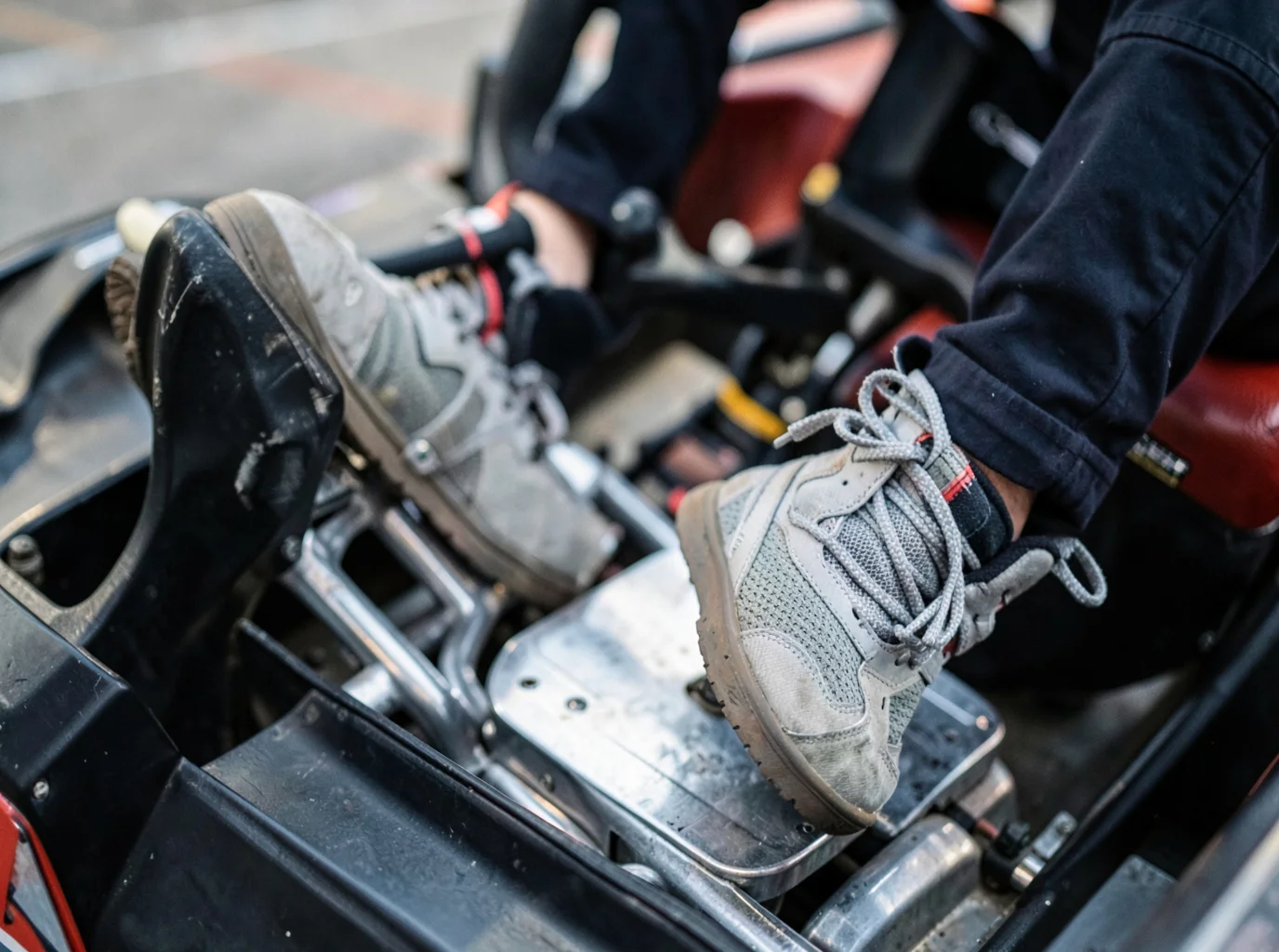
Every track requires closed-toe, secured footwear, but the fine print shifts depending on whether you race indoors or under the sun.
Indoor tracks keep things simple. TeamSport's policy reflects the industry standard: comfortable trainers with tied laces pass inspection, while open-toe shoes, Crocs, heels, and wedges do not. Indoor venues mainly want your feet covered and your shoes firmly attached while you work the pedals.
Indoor venues also tend to offer a safety net. Nitro City Racing states rental shoes may be available for guests who show up unprepared, and Three Rivers Karting does the same. If track staff flags your shoes, check with the front desk before packing up, since a loaner pair might save your session.
Outdoor tracks raise the bar. Riverside Speedway bans open-toe shoes and sandals like every other facility, but it goes further by recommending racing boots or dedicated karting shoes. Plain sneakers are "frowned upon" there, setting a stricter standard than most indoor rental centers enforce.
Sanctioned outdoor competition under KART rules pushes safety requirements higher. Footwear must be laced, buckled, or secured by design, which rules out loafers and household shoes. Drivers often need full-length pants and high-top shoes or boots, sometimes paired with abrasion-resistant jackets, to limit skin exposure during a spill.Bulk karting suits help racing teams outfit multiple drivers.
Track boundaries explain the stricter standards outdoors. Outdoor circuits use asphalt edges, kerbs, and open runoff areas, while indoor tracks rely on tire barriers. Higher speeds and rougher runoff surfaces increase the risk of injury during an off-track slide, which is why outdoor facilities favor racing boots over casual trainers.
Quick reference by setting:
Indoor arrive-and-drive: closed-toe athletic shoes, securely fastened
Outdoor rental track: closed-toe trainers, unless the operator requires boots
Outdoor competition: karting shoes or racing boots, high-top protection often mandatory
Before you head to the track, check its specific rulebook.Request a custom wholesale price for karting gear based on order quantity.
Casual arrive-and-drive sessions and sanctioned competitions do not follow the same footwear rules.
What to Do If You Arrive Without Proper Go-Kart Shoes

Standing at check-in with the wrong shoes does not have to end your session. Most tracks have a plan for this situation, provided you ask the right question right away.
Start by asking the front desk if rental shoes are available. Plenty of karting venues keep a box of loaner footwear behind the counter. One facility lists a combined shoe-and-sock rental for $5, which beats driving home to grab sneakers. Sizing and availability vary by location, so ask before signing the waiver or sitting through the safety briefing. Once you are in the briefing room, staff are rarely inclined to pause everything for a shoe swap.
If the desk has no rentals, check your car or bag for footwear that meets the baseline safety rules. You need a closed shoe covering both toe and heel, securely fastened, with a flat, thin sole. That combination clears inspection almost everywhere. Dedicated racing boots are often recommended, but tracks rarely require them for arrive-and-drive sessions, so standard sneakers or flat casual shoes usually solve the problem.
If your only spare pair has thick soles or a bulky frame, show them to staff before assuming they will pass. Flat-bottom trainers pass at venues like Silverstone, but chunky soles are discouraged because they dull pedal feel and slow your reaction time.
If nothing compliant turns up, do not push it. Racing in socks or unsafe shoes is not worth the risk, and tracks will turn you away. Silverstone's policy enforces an immediate black flag or outright refusal for footwear violations, and rescheduling beats getting pulled off the track mid-session.
Competition and owner-kart events often set stricter footwear rules than casual arrive-and-drive sessions, sometimes requiring homologated kart boots. Call ahead to check the requirements before you make the trip.
Conclusion
Leave flip-flops and heels in the trunk. Closed-toe shoes are the one non-negotiable rule almost every go-kart track enforces, but you don't need dedicated racing footwear. Sneakers, boots, or sturdy canvas shoes will get you through the door.
Before you walk out tonight, run a 10-second check to make sure your toes are covered, your heels are secured, and there are no mesh gaps. If you're mid-panic realizing your sandals won't cut it, call the venue before canceling your plans. Most indoor facilities keep loaner shoes behind the counter, and outdoor tracks are often more flexible than their website copy suggests.
One phone call now saves you an awkward conversation at check-in later.A specialist karting suit manufacturer can support private-label team collections.